More Hummers


As always, if you click on the photo, you'll get a soomed in copy.
One day, I decided to attempt some close-ups of the hummingbirds feeding near the window. To get the best photo, I opened the window to the porch. After about five minutes and lots of photos, I took up another position - forgetting to close the window.


 In a great seven day period, the Colvin Run Habitat observed a new bird and welcomed back two long time visitors.
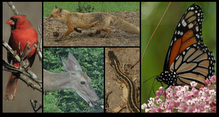
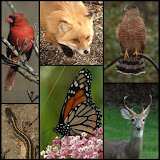
First, the hummingbirds returned last Sunday at the break of dawn (no new photos yet). Second, on Friday morning, a never before seen rose-breasted grosbeak joined the cardinals at the bird feeder (photos to follow in a later post). Third, this morning (Saturday), a red-tailed fox wondered through the Habitat. My wife came yelling into the house, I grabbed the camera, and by sheer luck caught 4 poor quality photos. One of the photos is posted above. Why is it that some of our most interesting wildlife comes when the sky is overcast and stays in the shade?
Regardless, exciting news that we have another fox in residence, hopefully.
The number of hummingbirds observed in the Colvin Run Habitat this past summer was disappointing. I believe that the low numbers was due to the drought currently being experienced in the mid-Atlantic states. However, beginning the third week of August the number rose dramatically. Instead of seeing a hummingbird once a week, several were observed every morning and evening. The observed hummingbirds were clearly distinct as they were of different sizes. The hummingbirds are most likely passing through on their way to Central America for the winter.
I have never observed hummingbirds as aggressive - they not only chased each other from the feeders, but they also chased other birds - finches, titmice, and on one occasion a cardinal. These photos were taken as the sun came up one morning. This female (third photo-no red throat as in the male below) made a rare mid-day appearance. After she shared the feeder with a bee interested in the sugar water, she perched on the dogwood and posed for me (first two photos). I was able to approach to within ten feet.
 This male paid a more typical sunrise visit. The low light of the early morning is the reason for the poorer photo quality of the last two photos.
 Remember that these birds are about the length of an adult human's ring finger.
The Colvin Run Habitat experienced record heat this week. Temperatures each day were about 95 degrees and mid-week saw 102 degrees. So what better way to beat the heat than by stopping by for a drink of water? This year's two fawns showed up for drinks at the water tub - and several mouthfuls of grass and holly shrub. Most interesting, and perhaps most disturbing, the fawns were not accompanied by mom. Next morning, two independent groups of deer passed in the Habitat - at least 5 fawns and 8 older deer. They appeared to be going in different directions, were spooked and scattered. Two of the younger males did some pushing - some early behaviors for the future perhaps.
 In one of my typical, not-thinking moves, I came downstairs this morning and immediately bolted through the doors onto the porch - only to cause the unseen hawk perching on the feeder tree to fly into the oak tree. If only I would look before bolting. Anyway, here is that hawk two trees later. From his size, less than a crow and more than a blue jay, I am guessing it is a sharp-shinned hawk.
  Hummingbird photos have been rarely posted - seems like fewer visits and certainly many fewer visits in good light. One evening this week, a hummingbird came to the feeder, then perched in the nearby dogwood tree. This photos was taken in very low light conditions, but I though I would share it.
 We saw yesterday that others (such as the squirrel) enjoy drinking the sugar water from the hummingbird feeder.
  While I have seen other small birds come to the hummingbird feeder, they normally just drink from the pan of plain water that keeps the ants out - as in these first two photos of an American Goldfinch and the third photo of a Carolina Chickadee.
 While I have read about other birds drinking the hummingbird's sugar water, I had never observed it. Until last evening. As the sun was setting, a number of different birds showed in the Habitat - including the chickadee seen in the fourth photo. The chickadee, like the hummingbird, must have a long tongue to actually reach the nectar in the feeder.
 Oh, of course, last evening three different hummingbirds visited the feeders (see the last three photos, actually the last two were taken the next afternoon).


 I some times think that it is worthwhile to post that some animal in the Habitat has not been seen for a while. It seems that they almost immediately show up.
My last post mentioned that the ruby-throated hummingbird had not been seen since mid-May. Within a few hours, the hummingbirds were back - at the feeder and in the nearby dogwood tree. These first two photos show a male drinking from the feeder, then flying away.
 Less than 20 minutes later, a male was observed in the dogwood tree. This second hummer was noticeably larger (at least 50% larger) than the first at the feeder. From these photos you can see how his ruby throat feathers seem to phosphoresce - depending on his position, the camera captures the throat as back or bright red.
 You can also clearly see this hummer's wing and breast feathers. In the last photo, you can see that he is using his long beak to scratch his back and wings.
Here is a general update on happenings around the Colvin Run Habitat:
>The ill or injured red-tailed fox has not been observed this week. >Beginning in mid-May, chipmunks began being observed. First on a one by one basis. Now as you can see from the photo, they show up several at a time and are active all day.
 >Sadly, one of the chipmunks drown in the water tub that the birds, chipmunks, and squirrels drink from.
 >For the first time in at least a month, a hawk was observed hunting in the Habitat. Per the standard practice of the Cooper's Hawk, this hawk was seen dropping from one of the border trees down and past the sunflower seed feeder, and then through the dense oak and Bradford pear trees. This hawk was crow-sized, dark brown, tail dark with darker stripes. Most likely given the size, color, and fly-over of the feeder and through the trees, I believe it was a Cooper's Hawk. Sorry no photos as I observed this hawk while looking out the bathroom window while shaving.
>Bird parents are bringing their young to the feeders. Again sorry that I have no good photos. While the young are identified sometimes by coloring and perhaps smaller size, my identification is by behavior. First, the young are only too eager to take food from the parent - even if it is feeder seed. Second, the young have a real tough time landing on the feeders, especially the feeder mounted on the window. The young flutter around the feeder and sometimes stumble into the window or land on the storm windows. Clearly, the young do not yet have complete flight control.
>Although the hummingbirds were observed in May, the hummers have been noticeably absent during the last few weeks.
>Also, the flicker woodpecker is seen maybe once a month. Last year this time, the flicker was a common visitor.
>The red-bellied woodpecker is observed every three weeks.
>The box turtle was observed early one morning in the grass on a path similar to last year.
>In an unbelievably rare event, I opened the garage door one morning to see a pileated woodpecker at the foot of a tree about 20 feet away. Amazingly, this normally very shy woodpecker continued to feed on the driveway tree (insects most likely). Then he flew away, but was heard for the next few minutes giving his unique call from the adjacent woods.
 At the end of a morning of planting flowers (or should I say deer food) and general cleaning-up in the backyard, that is the Colvin Run Habitat, I caught a quick glimpse of a male Ruby-throated Hummingbird. No photo, as the camera was in the house. He did not stop at the filled hummingbird feeders. The last observation of a hummingbird was September 22. Over seven month, but they are back!
This photo is from last year.
The changing of the seasons brings a changing of not only the birds and animals at the Colvin Run Habitat, but also a change in the habitats of birds and animals seen year-round. Over the last few weeks, I watched with eager anticipation for the arrivals of the hummingbirds and the bluebirds. On the advice of a colleague who advised that the hummingbird feeders should be up no later than ‘tax day’ (April 15 in the US), the first of the hummingbird feeders was put up this weekend. A new bluebird house, a gift from my daughter and son-in-law, was installed about eight weeks ago. While a pair of bluebird was observed on February 1 in the Habitat, the bluebird house and the hummingbird feeder remain unused. Like spring, hope springs eternal.
The extremely active Cooper’s and red-shouldered hawks of winter have not been observed for some time. The Coops have not been seen for the last 8 weeks. The red-shouldered hawks were clearly preparing to mate in early March; the last observation of either red-shouldered hawk was four weeks ago. These photos show the hawk flight through four weeks ago.
Similarly, the red-tailed fox has not been observed for three weeks. Hopefully, the fox pair is busy with denning responsibilities.
In a recent post, I asked the question if we had seen the last of the hummingbird in the Habitat for the summer season. As a footnote, for the first time in 10 days, I saw a humming bird at the feeder at 8 AM on September 21st. Sorry, no photo, the camera was packed for a trip. The most amazing thing, was its size – it appear to be at least 50% larger than any hummingbird I had seen during the entire season. Was this one the last? I’ll keep a sharp eye out.
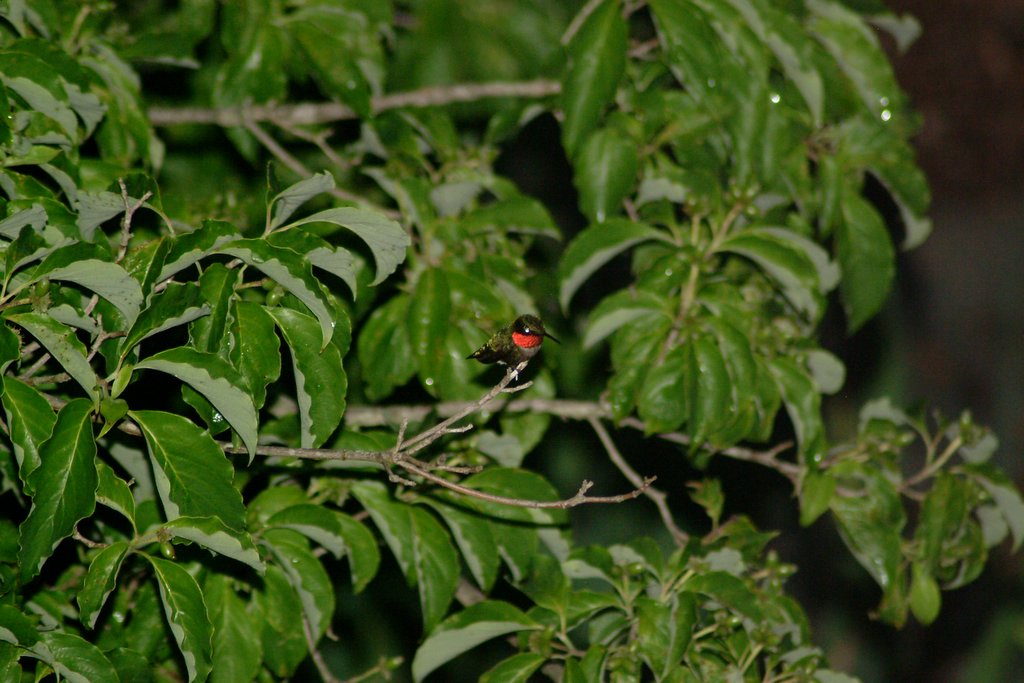
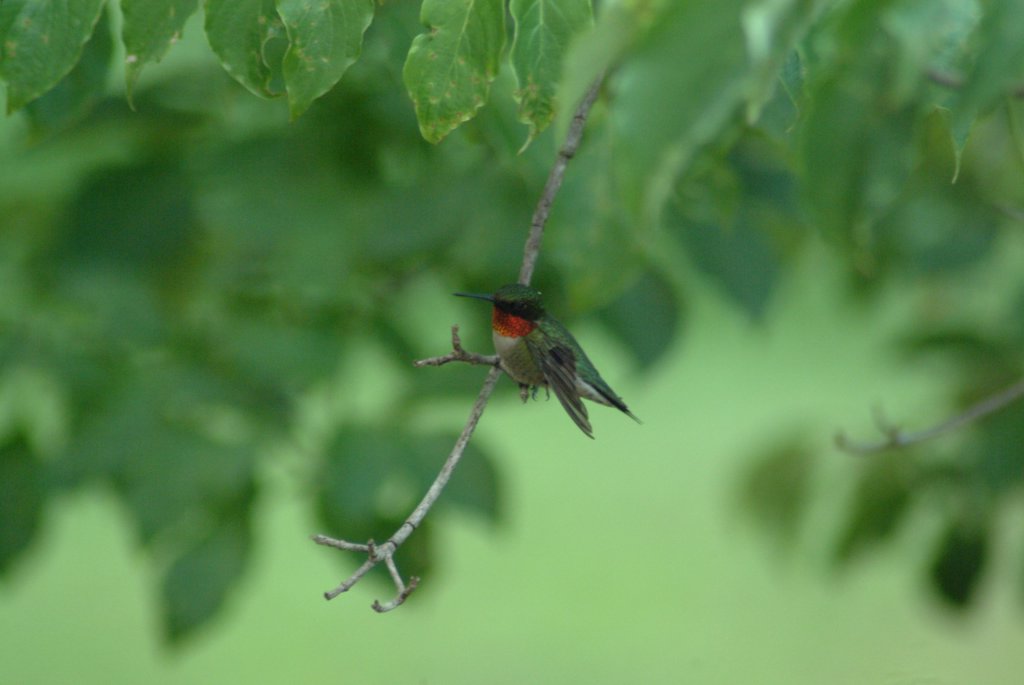 In a recent post, I promised a photo of a male Ruby-Throated Hummingbird. Here are my best two photos of the males. The ruby-colored throat stands out in daylight and after dusk (the second photo was taken with a flash).
 But, the hummingbirds have not been seen in the Habitat for five days.
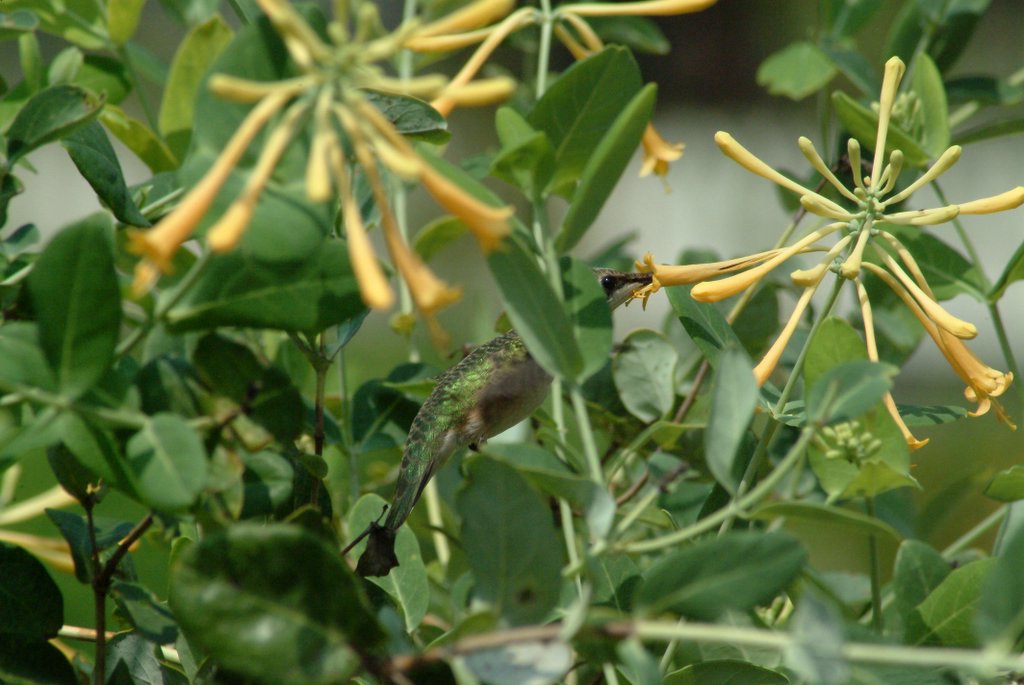 As I mentioned in that recent post, the hummers were very frequent visitors to the habitat. However, since that post on September 12, no hummers have been seen. I changed the sugar water in the hummingbird feeder yesterday, and I will leave it in place for another few weeks, but I suspect that the last hummer has headed south. According to hummingbirds.net, "Some adult males start migrating south as early as mid-July, but the peak of southward migration for this species is late August and early September. By mid-September, essentially all of the Ruby-throated at feeders are migrating through from farther north, and not the same individuals seen in the summer. "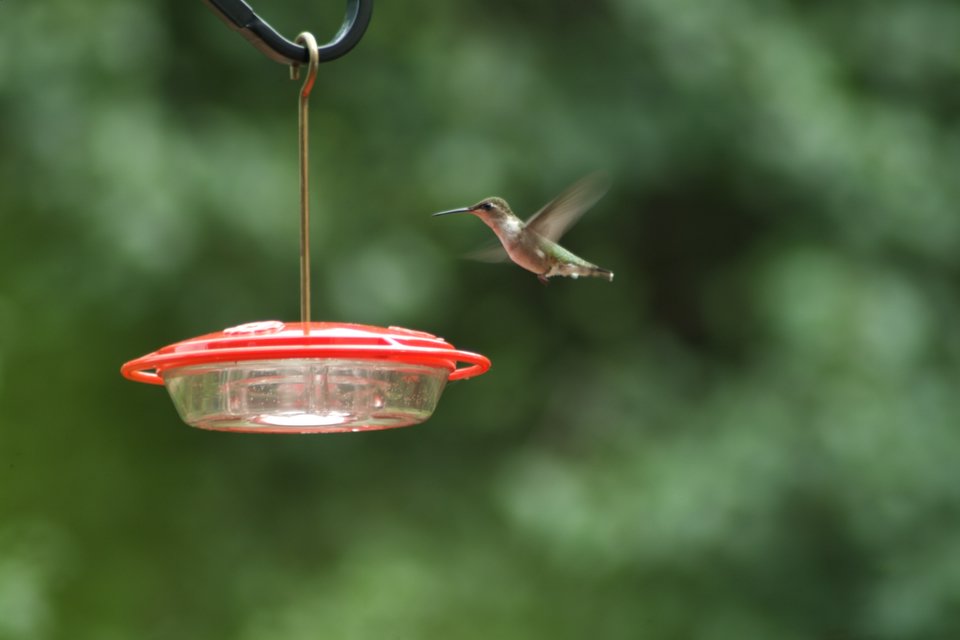
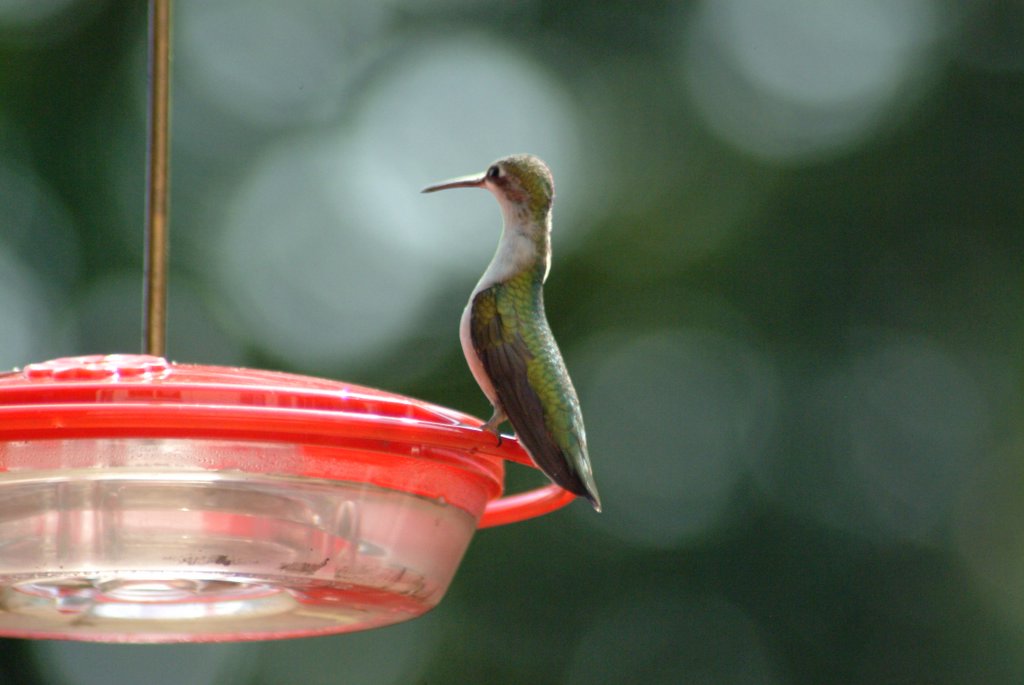 Ruby-throated hummingbirds are seen at the habitat's hummingbird feeders several times a day. This one is a female, which has a white throat versus the male's ruby colored throat. She appeared as I was doing my once a weekend drill of standing as still as possible about 5 feet from the feeders with the camera and seeing which birds show up. It is exciting to hear the sound of the wings as the hummingbird approaches - your instinct is to duck as you think it is a large bee or insect. But, if you remain still the hummingbird will feed - either while in flight or after perching. In the first photo we see her extending her neck before feeding
  - a practice that I have seen before but do not fully understand.
In the second photo, we get a good appreciation of her wingspan and feathers. In the second photo, we also get a great view of the toes - front and back.
As shown in the third photo, typically after feeding, they perch in the nearby dogwood tree. Observing them in the tree takes a good eye - not only because of their small size but also because they blend into the green leaves. In the dogwood, I have observed them perch for 5 to 10 minutes regardless of the comings and goings of other larger birds in the tree. Of course, as the hummingbird is very territorial and possessive of their feeder, only one hummingbird manages to stay at the feeder or in the dogwood at one time. Watching the hummingbirds compete for the feeder is like watching an aerial dogfight. I have observed four at a time chasing and feeding.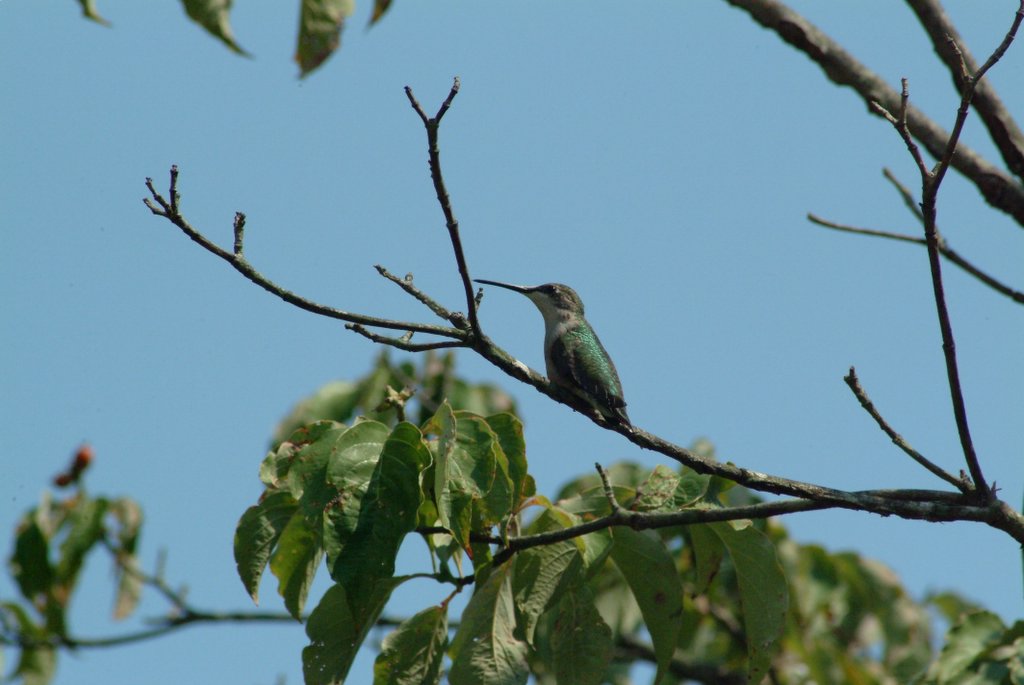
I'll post photos of the males with their bright throats in a later posting.

This work is licensed under a Creative Commons Attribution-NonCommercial 3.0 License.